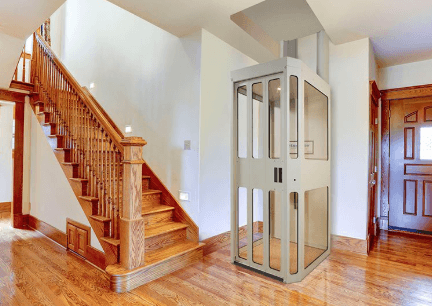
Home elevators are becoming an increasingly popular feature in modern residential design, especially in coastal and suburban areas of South Carolina. Homeowners in regions like Daniel Island are investing in vertical mobility solutions to improve accessibility, increase property value, and enhance long-term comfort. In many cases, people begin their research by exploring trusted providers such as CHS Elevators to understand how professional home elevator installation works and what options are available for residential properties.
Installing a home elevator is not just a luxury upgrade anymore—it is a practical solution for aging in place, multi-story living convenience, and future-proofing a home. However, it is also a technical process that requires planning, engineering knowledge, safety compliance, and professional execution. This guide explains everything homeowners need to know about home elevator installation, safety considerations, design options, and long-term maintenance.
Why Home Elevators Are Growing in Popularity
The demand for residential elevators has grown significantly over the past decade. This growth is driven by lifestyle changes, aging populations, and the desire for more comfortable and accessible homes.
Some of the main reasons homeowners choose to install elevators include:
- Aging in place without mobility barriers
- Increased accessibility for family members
- Luxury home upgrades and modern design appeal
- Higher property resale value
- Convenience for multi-level living
In cities like Charleston and surrounding areas such as Daniel Island, home designs often include multiple floors, making elevators a practical solution rather than just an upscale feature.
Understanding Home Elevator Installation
Installing a residential elevator is a complex process that involves architectural planning, structural modifications, electrical work, and safety compliance. It is not a simple add-on feature—it becomes part of the home’s core infrastructure.
A typical installation process includes:
- Initial home inspection and feasibility study
- Design selection and customization
- Structural preparation and shaft construction
- Electrical system integration
- Elevator equipment installation
- Safety testing and certification
Each step must follow strict building codes and safety regulations to ensure long-term reliability.
Types of Home Elevators Available
Homeowners have several elevator options depending on space, budget, and design preferences. Each type offers different advantages.
Hydraulic Elevators
Hydraulic systems are among the most common choices for residential properties. They use fluid pressure to move the elevator cab smoothly between floors.
Advantages:
- Smooth ride quality
- Strong lifting capacity
- Suitable for multi-story homes
Considerations:
- Requires machine room or equipment space
- Regular fluid maintenance needed
Traction Elevators
Traction elevators operate using cables and counterweights instead of hydraulic pressure.
Advantages:
- Energy-efficient design
- Faster operation
- No need for hydraulic fluid
Considerations:
- Higher installation complexity
- Requires overhead clearance
Pneumatic (Vacuum) Elevators
These modern elevators use air pressure differences to move the cabin.
Advantages:
- Compact design
- Minimal construction requirements
- Modern aesthetic
Considerations:
- Limited weight capacity
- Best for smaller residential use
Shaftless Elevators
Shaftless elevators are designed for homes with limited space or retrofit installations.
Advantages:
- Easy installation
- Space-saving design
- Lower construction requirements
Considerations:
- Limited travel height
- Not suitable for large homes
Planning Before Installation
Proper planning is essential before installing a home elevator. Homeowners must consider structural limitations, budget, and long-term usage.
Structural Assessment
A professional inspection is required to determine whether the home can support an elevator system. This includes:
- Floor load capacity
- Wall structure strength
- Available vertical space
- Foundation stability
Older homes may require additional reinforcement before installation.
Space Requirements
Even compact elevators require dedicated space. Homeowners should evaluate:
- Shaft location
- Floor-to-floor height
- Machine room requirements
- Accessibility from all levels
Importance of Professional Installation
Home elevator installation is not a DIY project. It requires licensed professionals who understand mechanical engineering, electrical systems, and building safety codes.
Professional installation ensures:
- Code compliance
- Safe operation
- Proper system calibration
- Long-term durability
- Warranty protection
Companies specializing in residential elevators, such as those serving the South Carolina region, help homeowners avoid costly mistakes and safety risks during installation.
Safety Features in Modern Home Elevators
Safety is the most important aspect of any residential elevator system. Modern designs include multiple built-in safety mechanisms.
Key safety features include:
Emergency Brake Systems
Automatically stops the elevator in case of malfunction or overspeed detection.
Backup Power Supply
Allows the elevator to return to the nearest floor during power outages.
Door Interlocks
Prevent the elevator from moving unless doors are securely closed.
Alarm and Communication Systems
Enable users to call for assistance in case of emergency.
Overload Sensors
Prevent operation when weight limits are exceeded.
These systems ensure safe daily operation for all household members.
See also: How to Choose the Best Window Treatments for Your Home
Cost Factors for Home Elevator Installation
The cost of installing a home elevator can vary significantly depending on several factors.
Key cost determinants include:
- Type of elevator system
- Number of floors served
- Structural modifications required
- Custom design features
- Electrical upgrades
- Maintenance packages
Hydraulic systems tend to be more affordable upfront, while traction and custom-designed elevators may have higher installation costs but lower long-term energy expenses.
Benefits of Installing a Home Elevator
Home elevators offer both functional and lifestyle benefits.
Improved Accessibility
Elevators make multi-story homes accessible for seniors, children, and individuals with mobility challenges.
Increased Property Value
Homes with elevators often have higher resale value due to added convenience and luxury appeal.
Enhanced Convenience
Carrying groceries, luggage, or laundry between floors becomes significantly easier.
Future-Proof Living
Installing an elevator prepares a home for long-term accessibility needs.
Design and Customization Options
Modern home elevators are highly customizable and can be designed to match interior aesthetics.
Customization options include:
- Glass or wood cabin finishes
- LED lighting systems
- Stainless steel interiors
- Digital control panels
- Luxury flooring materials
Homeowners can integrate elevators seamlessly into their home design rather than treating them as separate mechanical structures.
Maintenance Requirements
Like any mechanical system, home elevators require regular maintenance to ensure safety and performance.
Typical maintenance tasks include:
- Cable and hydraulic system checks
- Lubrication of moving parts
- Electrical system inspection
- Safety feature testing
- Cleaning and alignment adjustments
Routine maintenance reduces the risk of breakdowns and extends system lifespan.
Common Installation Challenges
While home elevators offer many benefits, installation can present certain challenges.
Common issues include:
- Limited structural space
- High renovation costs in older homes
- Electrical system upgrades
- Permitting and regulatory approvals
- Installation timeline delays
Working with experienced professionals helps minimize these challenges and ensures smoother project completion.
Choosing the Right Installation Provider
Selecting the right installation company is one of the most important decisions in the process. A reliable provider should offer:
- Proven installation experience
- Strong customer support
- Compliance with safety regulations
- Transparent pricing
- Warranty and maintenance services
Homeowners in South Carolina often look for specialized providers who understand local building codes and environmental conditions.
Residential Elevators in South Carolina Homes
In areas like Charleston, Mount Pleasant, and Daniel Island, residential elevators are becoming more common in both luxury homes and practical family residences. The coastal environment, combined with multi-story architecture, makes elevators a valuable addition.
Local homeowners benefit from working with experienced regional installers who understand:
- Coastal construction conditions
- Local permitting processes
- Humidity-resistant system requirements
- Custom home design integration
This ensures long-lasting and efficient elevator performance.
Long-Term Value of Home Elevators
Beyond immediate convenience, home elevators provide long-term financial and lifestyle value. As homes evolve into multi-functional living spaces, accessibility features are becoming more important in property design.
Key long-term benefits include:
- Higher resale potential
- Increased market demand
- Reduced need for future renovations
- Improved quality of life
Investing in a home elevator is often seen as both a lifestyle improvement and a strategic property upgrade.
Final Thoughts
Home elevator installation is a major home improvement decision that combines engineering, design, safety, and long-term planning. When properly installed, residential elevators provide unmatched convenience, accessibility, and property value enhancement.
For homeowners in South Carolina and surrounding areas, especially those in multi-level properties, working with experienced professionals ensures safe installation and long-term reliability. Many residents begin their journey by exploring trusted providers such as chselevators.com home elevator installation Daniel Island SC to better understand system options, installation requirements, and design possibilities.
With the right planning and professional guidance, a home elevator can transform everyday living into a safer, more comfortable, and more modern experience for years to come.