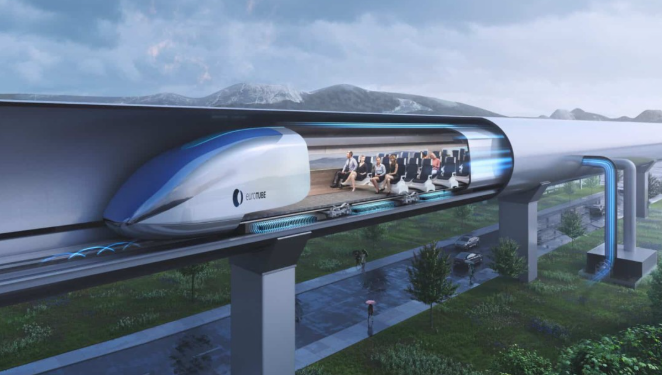
Hyperloop technology is emerging as a revolutionary solution in the transportation sector. Utilizing magnetic propulsion and vacuum tubes, it promises rapid intercity travel. Major players like Virgin Hyperloop and The Boring Company are spearheading this innovation. While the benefits, including reduced travel time and environmental impact, are compelling, significant challenges persist. The high costs of infrastructure and regulatory barriers pose serious questions about its future viability. What factors will ultimately determine the success of this ambitious endeavor?
The Concept and Mechanics of Hyperloop Technology
Although hyperloop technology remains largely theoretical, its underlying concept and mechanics propose a revolutionary shift in transportation.
Utilizing magnetic propulsion, hyperloop systems aim to levitate and propel pods through vacuum tubes, significantly reducing air resistance.
This innovative approach envisions high-speed travel that could transform the way individuals experience mobility, offering unprecedented freedom and efficiency in connecting cities and regions.
See also: The Rise of Esports and Professional Gaming
Potential Benefits of Hyperloop Systems
As the demand for efficient transportation solutions continues to grow, hyperloop systems present a compelling alternative that promises numerous benefits.
Potential time savings are significant, allowing travelers to cover long distances rapidly.
Additionally, hyperloop technology boasts a lower environmental impact compared to traditional modes of transport, utilizing renewable energy sources and reducing carbon emissions.
This innovative approach offers a vision of sustainable travel freedom.
Challenges Facing Hyperloop Development
While hyperloop technology presents an innovative solution for modern transportation, it faces significant challenges that could impede its development and implementation.
Regulatory hurdles complicate the approval processes, often delaying projects indefinitely.
Additionally, the high infrastructure costs required to establish the necessary networks may deter investment.
Overcoming these obstacles is crucial for hyperloop to realize its potential as a revolutionary transport system.
Key Players and Innovations in the Hyperloop Space
The hyperloop space is characterized by a dynamic landscape of key players and groundbreaking innovations that are shaping its future.
Companies like Virgin Hyperloop and Elon Musk’s The Boring Company are at the forefront, pioneering key innovations in magnetic levitation and vacuum technology.
As these industry players collaborate and compete, the potential for transformative change in transportation becomes increasingly tangible, promising unprecedented freedom of movement.
Conclusion
As hyperloop technology advances, it holds the promise of transforming urban travel. With the potential to reduce travel times between cities to mere minutes, one compelling statistic reveals that a trip from Los Angeles to San Francisco could take just 30 minutes, compared to several hours by car or plane. This dramatic shift not only highlights the efficiency of hyperloop systems but also emphasizes the urgent need for investment and innovation to overcome existing challenges and realize this vision for sustainable transportation.