Why Choosing the Right Fire Risk Assessment Provider Matters
A Fire Risk Assessment is only as effective as the person who carries it out. Choosing an inexperienced or unqualified provider can result in missed hazards, poor recommendations, and legal non-compliance. In contrast, a competent assessor delivers accurate findings, practical solutions, and confidence during inspections.
Responsible persons remain legally accountable even when assessments are outsourced, which makes choosing the right provider a critical decision rather than a routine purchase.
What Makes a Fire Risk Assessment Provider Competent
Competence is the most important factor when selecting a Fire Risk Assessment provider. A competent assessor should have appropriate training, experience, and understanding of fire safety legislation and guidance.
They should be able to demonstrate knowledge of building construction, fire behavior, evacuation strategies, and risk reduction methods. Practical experience across similar premises is also essential, as fire risks vary widely between building types.
Professional competence ensures assessments are accurate, site-specific, and defensible.
Qualifications and Professional Memberships to Look For
While there is no single mandatory qualification, reputable Fire Risk Assessment providers often hold recognized fire safety certifications and professional memberships. These indicate ongoing training, ethical standards, and commitment to best practice.
Membership of recognized fire safety bodies or third-party accreditation schemes provides additional reassurance. These organizations often require assessors to demonstrate competence and maintain professional development.
Asking for proof of qualifications and memberships is a reasonable and responsible step.
Experience With Your Type of Premises
Not all Fire Risk Assessment providers specialize in the same environments. A provider experienced in offices may not be suitable for residential blocks, care homes, or industrial facilities.
Choosing an assessor with experience relevant to your premises type improves the quality of risk identification and recommendations. Sector-specific knowledge helps address unique hazards and occupancy challenges effectively.
Experience reduces the likelihood of generic or unsuitable assessments.
What a Quality Fire Risk Assessment Report Should Include
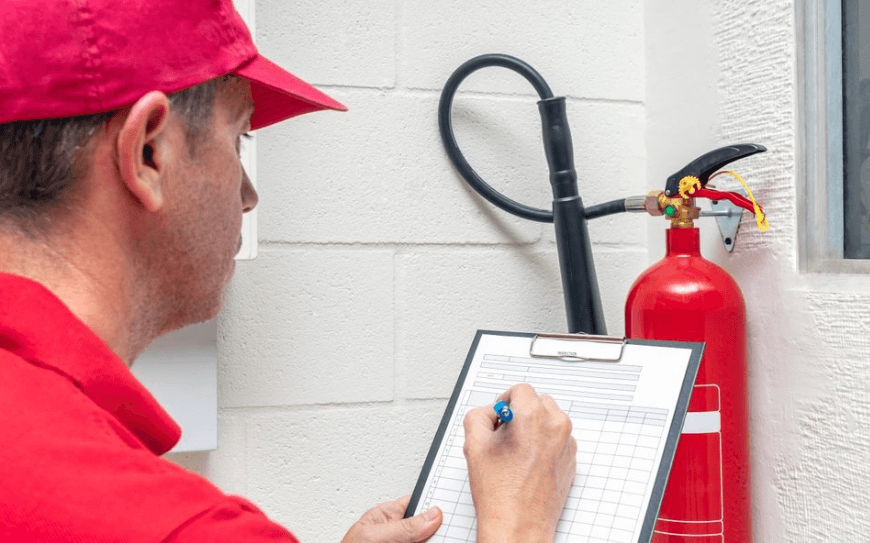
A high-quality Fire Risk Assessment report should be clear, detailed, and practical. It should identify hazards, assess risk levels, and provide prioritized recommendations with realistic timescales.
Photographic evidence, clear floor references, and concise action plans add value. The report should be tailored to the premises and easy to understand by non-technical readers.
Poorly written or generic reports often indicate inadequate assessment practices.
Independence and Professional Judgment
A competent Fire Risk Assessment provider should act independently and offer unbiased advice. Assessors should not exaggerate risks to sell additional services or downplay issues to please clients.
Professional judgment is essential for balanced, proportionate recommendations that reflect real risk levels. Independence supports credibility and regulatory confidence.
Insurance and Liability Protection
Reputable Fire Risk Assessment providers carry professional indemnity insurance. This protects both the assessor and the client if errors or omissions occur.
Requesting proof of insurance demonstrates due diligence and helps manage risk. Lack of insurance is a warning sign that a provider may not be operating professionally.
Communication and Ongoing Support
Effective communication is a key quality of good Fire Risk Assessment providers. Assessors should be willing to explain findings, answer questions, and clarify recommendations.
Ongoing support, such as review reminders or follow-up advice, adds long-term value. Providers who disappear after delivering a report may not offer the level of service needed for effective fire safety management.
Red Flags to Avoid When Choosing a Provider
Certain warning signs should prompt caution. These include extremely low prices, lack of site visits, generic reports, and refusal to provide credentials or insurance details.
Providers who offer assessments without visiting the premises or rely solely on online forms are unlikely to deliver compliant Fire Risk Assessment outcomes.
Choosing quality over price reduces long-term risk.
FAQs About Fire Risk Assessment Providers
Can anyone offer Fire Risk Assessment services?
Only competent persons should provide Fire Risk Assessment services.
Is third-party accreditation important?
It is not mandatory but provides reassurance of competence.
Should I choose the cheapest provider?
No, quality and competence are more important than price.
Can the assessor help with implementing actions?
Some providers offer support, but this should be transparent and optional.
How long should an assessment take?
Time varies by building size and complexity.
Should I review provider performance?
Yes, reviews help ensure ongoing quality and compliance.
Conclusion
Choosing the right Fire Risk Assessment provider is a critical step in protecting people, property, and legal compliance. Competence, experience, independence, and clear reporting should guide the selection process. A high-quality Fire Risk Assessment delivers more than compliance—it provides confidence, clarity, and long-term safety assurance.